Spooky Babe Halloween SVG: A Designer's Real-World Review
As someone who spends more time staring at stitch maps than most people spend looking at their phones, I approach every new digital embroidery file with a mix of excitement and skepticism. The market is flooded with trendy graphics, but not all of them translate well from a screen to a needle-and-thread reality. Recently, I got my hands on the Spooky Babe - Halloween SVG, and after putting it through its paces on a few test projects, I'm ready to share how this design holds up for real-world application. This isn't just about whether it looks cute; it's about whether it can survive the rigors of a craft business or make a standout handmade product.
First Impressions: Mood and Visual Personality
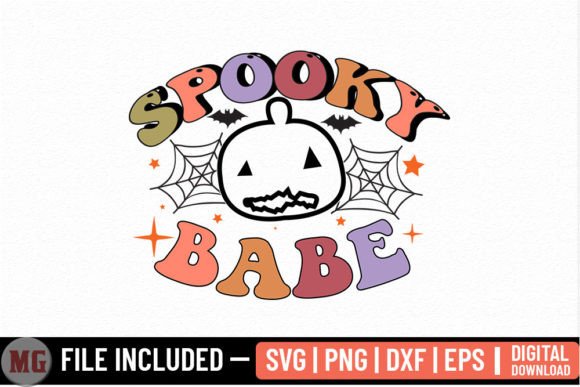
The moment you unzip the folder—which includes SVG, PNG, EPS, and DXF formats—you get a clear sense of the vibe. The "Spooky Babe" theme hits that sweet spot between eerie and adorable that defines modern holiday embroidery. The lines are clean, and the silhouette is distinct, which is crucial when you are converting a vector graphic into a machine embroidery design. Unlike some overly complex illustrations that lose their charm when digitized, this graphic maintains its personality. It feels bold enough to be the centerpiece of a sweatshirt embroidery project but simple enough to work as a subtle accent on a smaller item.
For Etsy sellers and boutique owners, visual appeal is everything. This design offers a strong visual hook. It's not generic; it has character. When I mocked it up against different backgrounds, it popped equally well on dark, moody fabrics and lighter, neutral tones. That versatility is a huge plus for anyone trying to maximize their inventory without buying fifty different thread colors.
Real-World Application: The Tote Bag Test
To truly evaluate the Spooky Babe - Halloween SVG, I decided to use it for a custom order: a set of trick-or-treat tote bags for a local parent group. This was the perfect stress test. Tote bags often use canvas or heavy cotton, which can be tricky due to the fabric texture. I needed a design that wouldn't get lost in the weave but also wouldn't require so many stitches that the bag became stiff and unusable.
I resized the graphic to fit a standard 5x7 hoop area. The scaling was smooth, thanks to the quality of the source vector files. Once digitized (or if using a pre-digitized version derived from these assets), the layout proved forgiving. The bold shapes of the "babe" character allowed for solid fill stitch areas that covered the canvas nicely without excessive puckering. For the text elements, I opted for a slightly thicker font style to ensure readability, a common trick when working with custom apparel that needs to be legible from a distance.
The result? The finished bags looked professional. The design didn't look like an afterthought; it looked intentional. Customers immediately gravitated toward them, proving that the aesthetic resonates with the target audience. If you are looking to create small shop products for the Halloween rush, this graphic provides a solid foundation for a high-performing item.
Navigating Fabric Challenges and Stitch Density
While the design shines on stable fabrics like cotton twill or fleece, there are scenarios where you need to proceed with caution. If you plan to use this on stretchy knits for baby embroidery or fitted tees, your choice of stabilizer becomes critical. The density of the fill areas, while visually appealing, can cause distortion on thin or highly elastic fabrics if not properly supported. I always recommend testing on scrap fabric first. Cut a piece of the actual garment material, hoop it with your chosen stabilizer, and run a sample.
Another consideration is the level of detail. While the SVG format allows for infinite scalability, embroidery has physical limits. Tiny details that look crisp on a computer screen can turn into a bird's nest of thread if they are too small for the needle to penetrate cleanly. When adapting the Spooky Babe - Halloween SVG for very small hoops, like those on caps or baby bibs, you may need to simplify certain internal details or increase the minimum stroke width. Don't assume the digital file is ready-to-stitch at any size; always review the stitch path and density settings in your embroidery software.
Where This Design Shines Best
- Sweatshirts and Hoodies: The bold lines stand out beautifully against fleece and French terry.
- Tote Bags: As demonstrated, the durability of the stitch pattern works well on heavy canvas.
- Pillow Covers: Great for seasonal home decor where the design can be larger and more detailed.
- Embroidered Patches: The clear silhouette makes it an excellent candidate for merrow-edge patches.
- Kitchen Towels: A fun addition to holiday hosting, provided you use a cut-away stabilizer for longevity.
Commercial Viability and Brand Consistency
For commercial embroidery professionals, consistency is key. You need designs that look the same on the hundredth item as they did on the first. The Spooky Babe - Halloween SVG offers the structural integrity needed for repeat production. Because the shapes are well-defined, there is less room for error during the stitching process, which reduces waste and improves your profit margin.
Furthermore, this design aids in brand recognition. If you are building a line of Halloween goods, having a cohesive visual language helps customers identify your work. Whether you are selling physical finished products or offering personalized services, the quality of the underlying graphic directly impacts perceived value. A crisp, well-executed design tells the customer that you care about quality, fostering trust and encouraging repeat business.
Practical Designer Notes for Success
- Check Thread Contrast: Before stitching, lay your thread colors next to the fabric. High contrast usually works best for this style, but ensure the colors don't vibrate against each other.
- Review Licensing: Always confirm the license terms included with the zip file. Ensure you have the right to use the design for commercial sales if you plan to sell the embroidered items.
- Test on Dark Fabrics: If stitching on black or navy, consider using a lighter underlay or adjusting your stitch angles to prevent the fabric from showing through gaps.
- Mockup Verification: Create both color and black-and-white mockups to see how the design reads without the distraction of color.
- Hoop Selection: Choose the largest hoop possible for your project to minimize re-hooping and ensure better registration.
In conclusion, the Spooky Babe - Halloween SVG is a versatile asset for any designer's library. It bridges the gap between trendy digital art and tangible textile craft. While it requires the usual due diligence regarding fabric choice and stabilization, its strong visual identity and adaptable layout make it a winner for everything from personalized gifts to boutique merchandise. By respecting the limitations of the medium and leveraging the strengths of this graphic, you can create stunning embroidery projects that delight customers and elevate your brand.