Dream Wish It Do It SVG: A Designer's Real-World Review
As a designer who spends more time staring at stitch simulations than most people care to admit, I approach every new digital embroidery file with a mix of optimism and skepticism. We have all been there: you buy a cute graphic, load it into your software, and realize the lines are too close together for a clean satin stitch or the details will vanish on a textured towel. That is why I took a close look at the Dream Wish It Do It - Svg package before committing it to a client project. This isn't just about whether the image looks good on a screen; it is about how it translates into thread, fabric, and a tangible handmade product that holds up in the real world.
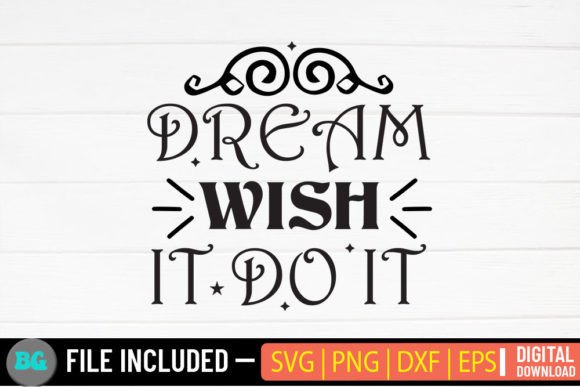
The first thing that strikes me about this design is its motivational clarity. The phrase "Dream Wish It Do It" carries a specific energy—it is aspirational yet actionable. Visually, the layout feels balanced, likely designed with versatility in mind. When I opened the files, I found a comprehensive zip package containing SVG, PNG, EPS, and DXF formats. For those of us working across different platforms, having the vector-based SVG and EPS files is crucial. These allow us to scale the design without losing resolution, which is non-negotiable if you plan to offer this as a custom apparel option in various sizes.
Visual Personality and Project Fit
The mood of this graphic is modern and encouraging. It lacks the overly ornate flourishes that often complicate machine stitching, suggesting it was created with production efficiency in mind. This makes it an excellent candidate for a wide range of applications. I immediately pictured this on a canvas tote bag design for a local boutique or as a chest logo on a heavyweight hoodie. The typography appears sturdy enough to handle the pull of the thread without distorting, which is a common failure point in text-heavy embroidery.
For Etsy sellers and small shop owners, the versatility here is a major selling point. This design fits seamlessly into the "hustle culture" aesthetic that remains popular in home decor and fashion. It works beautifully as a sweatshirt embroidery piece for college students or entrepreneurs, but it also has a softer side suitable for baby embroidery projects, perhaps on a nursery blanket or a milestone onesie. The simplicity of the message allows it to cross demographic lines, appealing to everyone from teenagers to corporate professionals looking for a subtle reminder on their desk accessories.
Real-World Application: The Tote Bag Test
To truly evaluate the Dream Wish It Do It - Svg, I simulated a real-life scenario: creating a run of custom tote bags for a weekend craft fair. Tote bags are notorious for being tricky; the fabric is often woven loosely, and the surface can be uneven. Using the SVG file, I resized the design to fit a standard 5x7 hoop area. The scaling was smooth, thanks to the vector nature of the source file.
In this context, the design shines because it doesn't rely on micro-details that would get lost in the weave of canvas or cotton twill. If you were to use this for an embroidered patch, the clean lines would allow for a tight merrow edge or a simple running stitch border without crowding the internal elements. For a holiday gift or a wedding favor, imagine this stitched in metallic thread on a dark velvet pillow cover; the contrast would be striking. However, the success of such a project depends entirely on how you digitize or assign the stitch types within your software.
Technical Considerations for Stitching
While the graphic files provided (SVG, PNG, EPS, DXF) are excellent for cutting machines and print-on-demand services, using them for machine embroidery design requires an extra step. Unless you are purchasing a pre-digitized embroidery file specifically, you will need to import these vectors into your embroidery software to generate the actual stitch data. This is where your expertise as a maker comes into play.
When converting this design, pay close attention to stitch density. Text designs like this can easily become too dense if you are not careful, leading to a stiff, puckered finished product. I recommend using a combination of fill stitches for larger letters and satin stitches for thinner elements to maintain texture variation. Also, consider the thread colors. While black on white is classic, testing this in monochromatic tones (like navy on grey or cream on tan) can elevate the perceived value of the item, making it feel more like a high-end boutique product than a generic craft fair find.
Be mindful of the fabric you choose. On stretchy fabrics like jersey knits, a heavy design can cause warping. Always use a high-quality cut-away stabilizer for garments that will be washed frequently. For structured items like caps or curved surfaces, the layout of "Dream Wish It Do It" might need slight adjustment to ensure the text follows the curve naturally rather than fighting against the geometry of the hat.
Commercial Viability and Branding
For creative entrepreneurs, the commercial potential of this asset is significant. The phrase is evergreen; it does not tie you to a specific season, meaning you can list it as a small shop product year-round. Whether you are selling physical goods or offering customization services, this design supports brand consistency. It speaks to action and achievement, values that resonate well with customers looking for personalized motivation.
However, before listing this on your storefront, you must verify the licensing terms associated with the download. The product description notes that the files are ready to use with major tools, but it is your responsibility to confirm if the license covers unlimited commercial sales of finished physical goods versus digital resale. Never assume; always read the fine print to protect your craft business.
Final Verdict and Designer Notes
The Dream Wish It Do It - Svg is a solid addition to any designer's library. It offers a clean, professional look that translates well from screen to stitch. My advice for anyone planning to use this:
- Test on scrap fabric first: Never run a final product without checking how the stitch density interacts with your specific material.
- Check contrast: Ensure your thread color stands out against the fabric texture, especially for darker materials.
- Review small details: If you scale the design down significantly for items like baby socks or patches, ensure the spacing between letters remains wide enough to prevent thread bridging.
- Mockup variety: Create printable mockups showing the design on both light and dark backgrounds to help customers visualize the end result.
- Stabilizer matters: Match your stabilizer to the fabric weight; a flimsy stabilizer on a heavy tote bag will lead to disappointment.
In conclusion, this graphic provides a strong foundation for a variety of embroidery projects. With proper digitization and attention to material selection, it can result in a high-quality finished product that customers will treasure. It is a practical, versatile asset that bridges the gap between digital convenience and tactile craftsmanship.