Review: My 1st Halloween SVG for Embroidery Projects
As a designer who spends most of my days digitizing files and reviewing machine embroidery design assets for client work, I approach every new download with a critical eye. We all know the frustration of buying a cute graphic only to find it falls apart under the needle. Today, I am taking a close look at My 1st Halloween - Halloween SVG. This isn't just about whether the image looks good on a screen; it is about how this file translates into a tangible, stitched finished product that holds up to washing, wearing, and the scrutiny of a paying customer.
First Impressions and Visual Personality
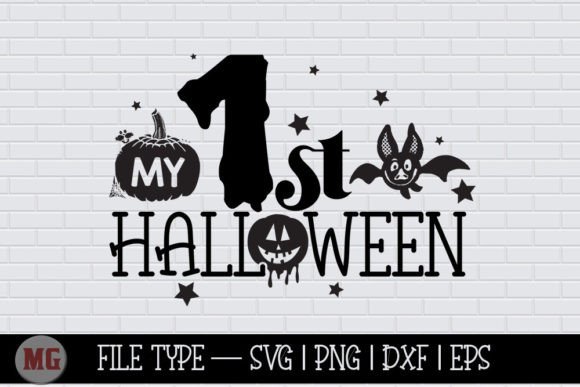
When I first opened the zip file containing the digital embroidery file formats, my immediate thought was about clarity. The package includes SVG, PNG, EPS, and DXF files, which is a solid standard for versatility. For those of us in the Crafts and Graphics space, having the vector-based SVG and EPS is crucial. It means we can scale the design without losing edge definition, a non-negotiable requirement when moving from a small baby onesie to a large tote bag.
The theme of "My 1st Halloween" carries a specific weight. It implies nostalgia, cuteness, and a milestone moment for parents. The visual personality of this design needs to strike a balance between festive and gentle. In my initial assessment, the lines appear clean, which suggests that if digitized correctly, it could result in crisp satin stitch borders or smooth fill stitch areas. However, as a reviewer, I always remind myself that an SVG is a starting point, not the final stitch map. The mood is playful, perfectly suited for the holiday embroidery market, but the execution depends entirely on how we handle the conversion to stitches.
Real-World Application: The Baby Sweatshirt Scenario
To truly test the viability of My 1st Halloween - Halloween SVG, I imagined a specific real-life scenario: a custom order for a boutique client needing a personalized sweatshirt embroidery piece for a six-month-old. This is a high-stakes project. Parents want something adorable for photos, but the garment must remain soft and comfortable against sensitive skin.
In this context, the design shines as a centerpiece. Placed centrally on the chest of a soft fleece sweatshirt, the graphic becomes the focal point of a personalized gift. Because the concept is "My 1st," it naturally lends itself to baby embroidery projects where simplicity is key. If I were stitching this, I would likely opt for a applique approach if the design allows for layered fabric, or a low-density fill if stitching directly onto the fleece. The goal is to avoid a stiff, cardboard-like feel on the front of the shirt. A well-executed version of this design adds significant value to a small shop product, turning a basic garment into a keepsake.
Versatility Across Different Products
Beyond baby clothes, this design has legs in other areas of custom apparel. I can easily see this working on a canvas tote bag design for trick-or-treating essentials. The sturdy nature of canvas handles higher stitch density better than knits, allowing for more detailed rendering of the graphic. It would also make a charming addition to a kitchen towel or a decorative pillow cover for seasonal home decor.
For the Etsy seller or creative entrepreneur, the adaptability of this file is a major selling point. You can create a cohesive collection of handmade product listings ranging from bibs to burp cloths, all featuring the same consistent branding element. This consistency builds brand consistency and helps customers recognize your shop's aesthetic during the busy holiday season.
Technical Considerations and Stitching Challenges
While the potential is high, we must discuss where caution is needed. Not every surface is friendly to every design. If you are planning to use My 1st Halloween - Halloween SVG on a curved surface like a cap, you need to be wary of distortion. Small details might pull or pucker if the hoop size and framing aren't perfect. Similarly, using this on thin, stretchy fabrics requires a robust stabilizer strategy. Without proper backing, even the cleanest vectors can result in a messy embroidery project.
Another critical factor is the level of detail. If the original graphic contains very fine lines or tiny text elements, these can become problematic when converted to running stitch or narrow satin columns. Thread thickness matters here. A standard 40-weight thread might bridge gaps that a 60-weight thread would cover neatly. I always advise testing the design on scrap fabric first, specifically matching the weight and texture of your final material. Check the thread colors against both light and dark backgrounds; a design that pops on white might get lost on navy blue without a contrasting underlay or border.
Enhancing Value and Professionalism
The ultimate goal of using a file like this is to elevate the perceived value of your work. A sloppy stitch job ruins the charm of a cute design, while a precise, professional finish boosts customer trust. When a buyer sees neat corners, consistent tension, and appropriate density, they perceive the item as a premium commercial embroidery product rather than a hobbyist experiment. This attention to detail directly influences buyer engagement and the likelihood of repeat business.
For those creating printable mockup images for online listings, the clean lines of the SVG format allow for realistic digital previews. You can visualize exactly how the embroidered patch or direct stitch will look before committing to production. This saves time and materials, a crucial efficiency for any craft business.
Final Designer Notes and Recommendations
Before you commit to selling items made with My 1st Halloween - Halloween SVG, there are a few housekeeping items to address. First, always verify the licensing terms included in your download. Just because a file is ready to use doesn't automatically grant commercial rights for unlimited sales. Confirm whether you can sell the physical finished product or if there are restrictions on the number of units.
Second, remember that an SVG is a graphic format, not a stitch file. Unless you have a machine that reads SVGs directly for cutting, you will need to digitize this into a proprietary embroidery format (like PES, DST, or XXX) suitable for your specific machine. During this digitization phase, pay close attention to pull compensation and underlay settings. Test the design in black and white mockups to ensure the shape holds up without relying on color contrast.
In conclusion, My 1st Halloween - Halloween SVG offers a strong foundation for seasonal creations. Its strength lies in its thematic relevance and vector flexibility. However, its success in the real world depends on the skill of the maker. By respecting the limitations of fabric textures, choosing the right stabilizers, and prioritizing stitch quality, you can transform this simple graphic into a cherished heirloom. Whether you are decorating a nursery or stocking your holiday inventory, this design is a viable asset—provided you treat it with the technical care it deserves.