Review: In the Things Give Thanks SVG for Embroidery
As a designer who spends more time staring at stitch maps than most people care to admit, I approach every new digital embroidery file with a mix of optimism and skepticism. We have all downloaded a beautiful graphic only to find it turns into a bird's nest of thread once it hits the fabric. That is why I took a close look at the In the Things Give Thanks Svg Design before committing it to any client work or personal projects. This isn't just about whether the image looks cute on a screen; it is about how it performs as a machine embroidery design on real-world textiles.
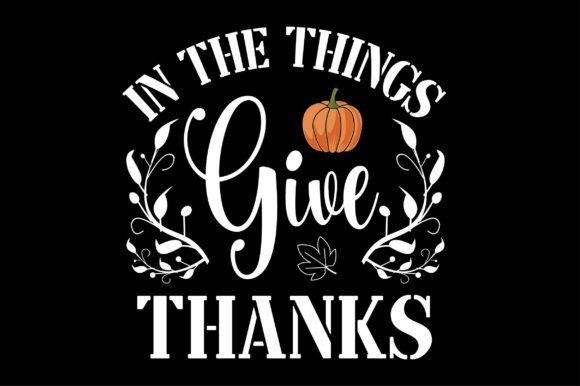
My first impression of this design was its grounded, warm mood. The phrase "In All Things Give Thanks" carries a weight that demands respect in its presentation. Visually, the layout feels balanced, avoiding the cluttered look that often plagues quote-based graphics. For those of us in the Crafts and Graphics sectors, finding a typography-based design that translates well from vector to thread is rare. The shapes appear clean, suggesting that the transition from an Ai or EPS file to a stitched reality should be smooth, provided the digitizing matches the visual clarity of the source art.
Putting the Design to the Test: A Real-World Scenario
To truly evaluate this asset, I imagined a specific project: a custom order for a boutique client looking for holiday gifts. She wanted a set of premium kitchen towels and a matching apron for a hostess gift set. This is a classic use case for holiday embroidery and personalized gift items. The In the Things Give Thanks Svg Design fits this scenario perfectly because the sentiment is timeless, not limited to a single month or season.
When visualizing this on a linen tea towel, the design's structure becomes critical. Linen has a distinct weave, and a design with too much stitch density can cause the fabric to pucker or the text to become illegible. Based on the high-resolution PNG file 300 dpi and the editable nature of the vector formats included, there is room to adjust the scale. However, the reviewer in me insists on caution. If you are planning sweatshirt embroidery on a heavy cotton blend, this design likely holds up well. But for thinner fabrics like the linen in my hypothetical project, you must ensure the lettering isn't too tight.
The versatility here is a strong selling point for any Etsy seller or small shop product creator. Because the files are 100 color changeable, you aren't stuck with a default palette. You can match brand colors for a corporate order or switch to earthy tones for a rustic farmhouse aesthetic. This flexibility directly impacts your brand consistency and the perceived value of the finished product.
Navigating Fabric Textures and Hoop Constraints
Every experienced apparel decorator knows that the fabric dictates the success of the stitch. While this design shines on flat surfaces like tote bag design canvases or pillow covers, there are areas where you need to proceed with care. If you intend to place this on a curved surface, such as a cap or a structured hat, the length of the phrase might be challenging. Long lines of text can distort on curved hoops unless the digitizing includes pull compensation, which is something you cannot see just by looking at the SVG or PDF preview.
Furthermore, consider the hoop size. Depending on the font weight and spacing in the original vector, this design might require a larger hoop to maintain readability without cramming the stitches. If you are working with a small 4x4 hoop, you may need to scale the design down significantly, which risks turning delicate serifs into blobs of thread. Always test on scrap fabric first. This is non-negotiable. Check how the satin stitch or fill stitch areas behave on stretchy knits versus stable wovens.
Dark fabrics present another consideration. The description mentions a Transparent b (likely transparent background) option, which is excellent for mockups, but for stitching, you need to think about underlay. If you are embroidering white thread on a navy blue sweatshirt, the contrast is beautiful, but you must ensure the coverage is dense enough to prevent the fabric from showing through, without making the back of the garment scratchy and uncomfortable.
Commercial Viability and Brand Trust
For creative entrepreneurs and commercial embroidery professionals, the reliability of your assets builds customer trust. A sloppy stitch job on a quote about gratitude sends the wrong message. The In the Things Give Thanks Svg Design offers a professional foundation, but the execution is up to you. The inclusion of JPG With High-Quality Mockup files is a massive time-saver for creating listings on Etsy or your own website. Being able to show a customer exactly how the design looks on a mock-up before you even thread the needle increases buyer engagement and reduces hesitation.
The fact that you receive 100 editable file options suggests a robust package. Whether you need to tweak a node in Illustrator using the Ai file or resize for a specific embroidered patch using the EPS, having these formats ensures you aren't limited by resolution issues. This level of control is essential for maintaining high standards in handmade product lines.
Final Designer Notes and Best Practices
Before you run this design on a final garment, keep these practical steps in mind:
- Check Licensing: Always confirm the specific license terms regarding commercial use. Just because a file is editable doesn't automatically mean it is free for unlimited resale as a digital product.
- Stabilizer Selection: Match your stabilizer to your fabric. A cut-away might be necessary for stretchy custom apparel to prevent distortion over time, while a tear-away could suffice for sturdy home decor items.
- Thread Contrast: Test the design in black and white mockups first to ensure the shape reads clearly without relying on color differentiation.
- Detail Inspection: Zoom in on the smallest letters. If they look thin in the vector preview, they will likely break or disappear when stitched.
- Washability: Consider the end user. If this is for a baby item or a kitchen towel that will be washed frequently, ensure the stitch density isn't so high that it creates a stiff, uncomfortable patch.
In conclusion, the In the Things Give Thanks Svg Design is a versatile asset for the modern maker. It bridges the gap between digital convenience and tactile craftsmanship. When handled with the right technical knowledge regarding thread colors, fabric texture, and machine settings, it has the potential to elevate a simple piece of cloth into a cherished personalized gift or a best-selling small business merchandise item. It is a solid choice for those who value both aesthetic appeal and practical application in their embroidery project workflow.