Review: Happy Labor Day Typography SVG for Embroidery
As a designer who spends more time staring at stitch previews than actual fabric, I approach new design assets with a healthy dose of skepticism. We have all downloaded a file that looked crisp on the screen but turned into a bird's nest of thread breaks and puckering on the hoop. So, when I pulled up the Happy Labor Day Typography SVG T-shirt file to evaluate it for real-world application, my first instinct was to look past the marketing gloss and see how this graphic actually translates into a physical machine embroidery design.
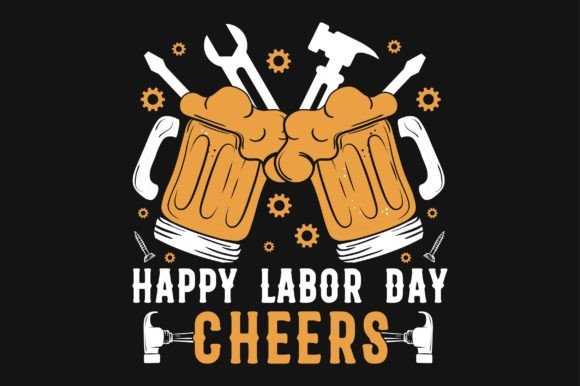
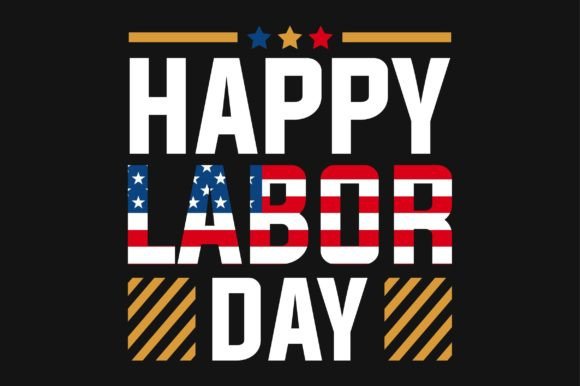
The initial impression of this piece is one of bold, unapologetic celebration. The typography carries a vintage workwear aesthetic that fits perfectly with the spirit of the holiday. It feels sturdy, much like the labor it honors. Visually, the layout is balanced, avoiding the cluttered look that often plagues holiday graphics. For an Etsy seller or a small shop owner looking to refresh their seasonal inventory, this design offers a clean slate. It doesn't scream "generic clipart"; instead, it has enough personality to serve as the centerpiece of a high-quality handmade product.
From Vector to Stitch: A Real-World Test Scenario
To truly gauge the value of this digital embroidery file, I imagined a specific project: a custom embroidered canvas tote bag for a local hardware store's employee appreciation event. This is a common request for many of us in the craft business. The goal was to create something durable enough for daily use but stylish enough that employees would actually want to carry it.
Because the Happy Labor Day Typography SVG T-shirt is built from 100 vector shapes, the potential for customization is high. In my mental mockup, I swapped the default colors for a classic navy thread on a natural canvas background. The strong lines of the letters suggested that this would convert well into a dense fill stitch or a robust satin stitch, depending on the letter width. For a tote bag, which undergoes significant stress, the solidity of these shapes implies good durability. Unlike intricate script fonts that can snag easily, this blocky, typographic style promises a finished product that can withstand the rigors of a job site or a weekend market run.
If you are planning sweatshirt embroidery for a family reunion or a team uniform, this design holds up equally well. The visual weight of the text ensures it remains legible even from a distance. However, the transition from a vector graphic in the Crafts category to a stitched reality requires careful planning. Just because you receive AI, EPS, SVG, and PNG files does not mean the digitization is done for you. If you are using this as a base for an applique design, the clean edges of the vectors make cutting fabric pieces straightforward. If you are digitizing it yourself for stitching, the clear separation of shapes makes defining stitch directions much easier.
Navigating Fabric Challenges and Hoop Limitations
While the design is versatile, it is not without its constraints. One must be cautious when applying this to textured fabrics or stretchy materials like jersey knits. Heavy typography can cause puckering if the stitch density is too high and the stabilizer is insufficient. For a baby embroidery project, such as a onesie celebrating a parent's profession, you would need to significantly scale down the design. This brings us to the issue of detail.
When shrinking any typographic design, the negative space between letters becomes critical. Before committing to a cap or a small pocket on a chef's apron, you must test the design on scrap fabric. Tiny serifs or tight kerning might merge together when stitched out at a small hoop size. I always recommend running a test stitch-out in black and white first. This removes the distraction of thread colors and lets you focus purely on the clarity of the stitches and the structural integrity of the letters.
Curved surfaces present another hurdle. If you intend to use this for hat embroidery, remember that the flat geometry of the original SVG might distort slightly over the curve of a cap brim. You may need to adjust the pull compensation or choose a lighter fill pattern to prevent the fabric from gathering. For dark fabrics, ensure your digitizing software allows for an underlay that provides enough coverage so the garment color doesn't peek through the heavy lettering, which can ruin the professional look of the custom apparel.
Commercial Viability and Brand Consistency
For creative entrepreneurs, the question isn't just "does it look good?" but "does it sell?" The Happy Labor Day Typography SVG T-shirt has strong commercial potential. Its timeless style means it won't look dated next year, allowing you to reuse the embroidery project files for multiple seasons. Whether you are creating printable mockups for your online store or listing physical goods at a craft fair, the clean lines of this graphic translate well into marketing materials.
However, professionalism is key. Customers trust brands that deliver consistent quality. If you are selling this as part of a bundle of holiday embroidery designs, ensure that the stitch quality matches your other offerings. A poorly stitched label can undermine the perceived value of the entire small shop product. Furthermore, always verify the licensing terms included with the download. While the file description mentions ease of color changes and vector composition, it is your responsibility to confirm whether the license permits unlimited commercial sales of finished items or if there are restrictions on reselling the digital files themselves.
Final Verdict for the Practical Designer
In conclusion, the Happy Labor Day Typography SVG T-shirt is a solid contender for your autumn workflow. It bridges the gap between modern graphic design trends and traditional needlework aesthetics. It is particularly well-suited for personalized gifts, corporate merchandise, and boutique home decor like pillow covers or kitchen towels where a bold statement is desired.
My advice is to treat the provided SVG and EPS files as a superior starting point rather than a finished solution. Take the time to refine the stitch path, select the appropriate stabilizer for your specific fabric texture, and respect the limitations of your machine. By doing so, you transform a simple graphic from the Graphics category into a tangible asset that enhances your brand reputation. When executed with care, this design doesn't just decorate a garment; it adds value, creating a piece that recipients will cherish and wear with pride.