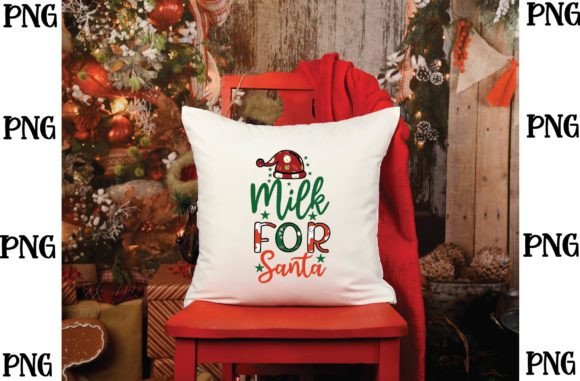
Milk for Santa Sublimation SVG: A Designer's Review
As someone who spends most of their waking hours digitizing files and reviewing embroidery project assets for small shops, I approach every new design with a critical eye. We often see the lines between sublimation graphics and machine embroidery blur in the modern craft business, but the fundamental rules of good design remain the same. Today, I am evaluating the Milk for Santa Sublimation Svg Design. While this asset is marketed primarily as a high-resolution PNG for printing, my goal is to determine if its visual structure holds up when translated into thread for a tangible handmade product.
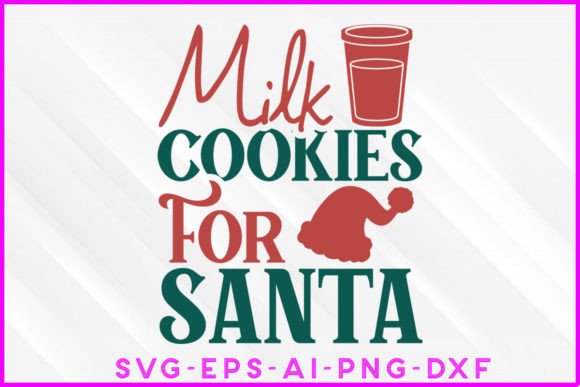
The first thing that strikes me about this graphic is its mood. It captures that specific, cozy nostalgia associated with Christmas Eve traditions without feeling cluttered. The layout is clean, focusing on the central theme of the milk offering. For an embroidery designer, this simplicity is a double-edged sword. On one hand, it means fewer potential points of failure during stitching. On the other, it demands perfect execution because there are no busy patterns to hide mistakes. The visual personality feels warm and inviting, making it an ideal candidate for holiday gifts or boutique merchandise where emotional connection drives sales.
Translating Pixels to Thread: Real-World Application
Let's move beyond the screen and imagine a real-life scenario. Picture a local boutique owner preparing a run of custom sweatshirt embroidery for the December rush. They need a design that looks professional on heavy cotton blends but doesn't overwhelm the garment. The Milk for Santa Sublimation Svg Design, with its 12"x12" print size and 300 dpi resolution, offers a robust source image. If I were to digitize this for a machine embroidery design, the bold shapes would translate beautifully into satin stitches or filled areas.
Consider a tote bag design for a holiday market. Canvas fabric has a distinct texture, and detailed graphics can sometimes get lost. However, the clear definition in this graphic suggests it would maintain its integrity even on textured fabrics. The color palette, described as colorful and high quality, implies strong contrast. In embroidery terms, this means we can select thread colors that pop against neutral backgrounds like cream, navy, or forest green. This versatility is crucial for an Etsy seller trying to appeal to a broad audience with limited inventory.
I also see potential for this design in the realm of baby embroidery. A onesie or a bib featuring a "Milk for Santa" motif is a perennial bestseller. Because the original file is vector-based (SVG) or high-res PNG, scaling it down for smaller garments should not result in pixelation, provided the digitizer respects the minimum stitch lengths. The charm of the design lies in its innocence, which aligns perfectly with nursery decor or personalized gifts for newborns experiencing their first Christmas.
Navigating Technical Challenges and Fabric Choices
While the aesthetic appeal is strong, we must discuss where caution is required. Not every surface is suitable for every design. If you plan to use this motif on a curved surface, such as a cap, the geometry of the original graphic needs careful manipulation. Flat designs often distort when wrapped around a crown, so testing on a similar curved mockup is essential before committing to a production run.
Furthermore, consider the fabric texture and weight. If you are working with thin, stretchy fabrics like tri-blend tees, the density of the converted embroidery file becomes critical. A design intended for sublimation might be digitized with too much fill, causing the fabric to pucker. In these cases, opting for a lighter fill stitch or incorporating applique design techniques could save the finished product. Using the right stabilizer is non-negotiable here; a cut-away stabilizer would likely provide the necessary support for a holiday item that needs to withstand frequent washing.
Small details also warrant attention. If the design includes tiny lettering or intricate corners, these areas are prone to thread breaks or poor coverage if the stitch density isn't optimized. Before selling this as a small shop product, I would strongly advise running a test stitch-out on scrap fabric that matches your final material. Check how the thread interacts with the fabric under different lighting conditions. Does the red look vibrant, or does it appear dull? These nuances determine customer trust and brand consistency.
Commercial Viability and Brand Perception
For creative entrepreneurs, the value of a design asset extends beyond its look; it is about what it represents for the brand. Using a high-quality base like the Milk for Santa Sublimation Svg Design elevates the perceived value of your custom apparel. Customers can tell the difference between a sloppy, low-resolution transfer and a crisp, well-executed graphic or embroidery. This attention to detail fosters buyer engagement and encourages repeat business.
When creating printable mockups for your online store, the 300 dpi resolution ensures that your digital previews look as good as the physical item. This is vital for digital product sellers who rely on images to make sales. Whether you are selling the physical embroidered patch or the digital file itself, the professionalism of the source material reflects directly on your reputation. A clean, well-defined design signals that you care about quality, which is a powerful tool in a saturated market.
It is also worth noting the licensing implications. Since this is a sublimation design being repurposed or evaluated for embroidery, you must confirm the license terms. Can you sell the stitched holiday embroidery items commercially? Are there restrictions on modifying the file for digitization? Never assume; always check the specific terms provided by the creator to avoid legal issues down the line.
Final Verdict for the Makers
In conclusion, the Milk for Santa Sublimation Svg Design is a versatile asset that holds significant promise for the Crafts and Graphics sectors when handled with expertise. Its strength lies in its clear composition and festive spirit, making it suitable for everything from kitchen towels to boutique sweatshirts. However, its success depends entirely on the skill of the person translating it into thread.
My advice to fellow designers is to treat this file as a strong foundation, not a finished solution. Test your hoop size constraints, experiment with different running stitch outlines to define edges, and ensure your color choices honor the original intent while suiting your specific fabric. By combining this high-quality graphic with thoughtful digitization practices, you can create a personalized gift or commercial item that stands out during the holiday season. The potential is there; it just requires the steady hand of an experienced maker to unlock it.