Don't Be Afraid to the Whisks: A Designer's Review
As a designer who spends more time staring at stitch simulations than I do sleeping, I approach every new digital embroidery file with a mix of curiosity and skepticism. We've all been there: you download a cute graphic, load it into your software, and realize the lines are too thin for satin stitch or the details will vanish on a textured towel. That is exactly why I took a close look at the Don t Be Afraid to the Whisks - SVG before committing it to a real-world embroidery project. This isn't just about whether the image looks good on a screen; it is about how it translates into thread, hoop, and fabric for a tangible finished product.
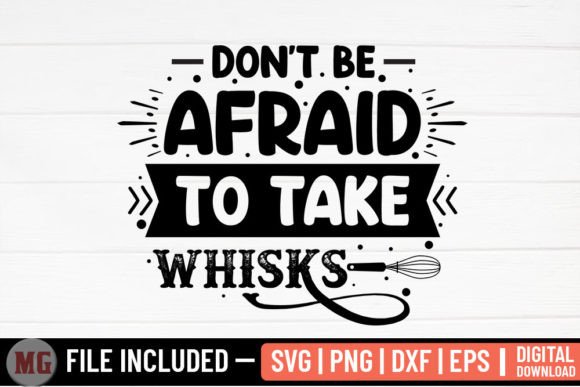
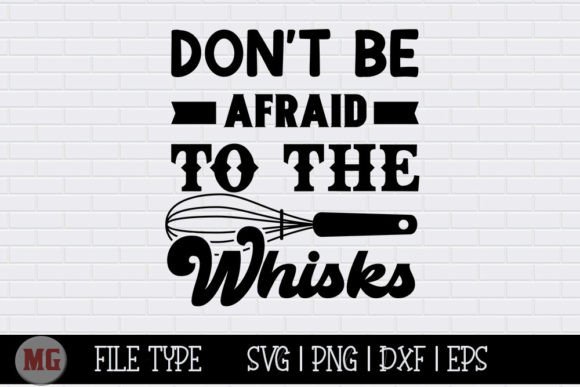
My first impression of this design was its playful, slightly chaotic energy. The phrase "Don t be afraid to the whisks" immediately sets a humorous tone, perfect for the kitchen enthusiast who knows that baking is half science and half bravery. Visually, the layout feels balanced enough to work as a central motif on an apron or a focal point on a tote bag. However, because this asset originates in the Crafts and Graphics categories, my immediate job as an embroiderer is to bridge the gap between a vector graphic and a machine embroidery design. The SVG format included in the zip file is a fantastic starting point, offering clean paths that make digitizing—or checking an existing digitization—much easier than working with a pixelated PNG.
Real-World Application: The Custom Apron Scenario
To truly test the viability of this design, I imagined a specific client request: a custom order for a local boutique bakery needing branded apparel for their staff. They wanted something fun but professional enough for customer-facing roles. The Don t Be Afraid to the Whisks - SVG fit the brief perfectly. I visualized this stitched onto a high-quality cotton twill apron. In this scenario, the design acts as a conversation starter. It adds personality to the uniform without being overly childish.
When considering custom apparel like sweatshirts or t-shirts, the design's simplicity is its strength. Complex gradients don't translate well to thread, but bold lines do. If you are an Etsy seller looking to expand your holiday inventory, this could easily be adapted for holiday embroidery gifts, perhaps paired with a gingerbread man or flour splatter motif. For a personalized gift, imagine this monogrammed onto a kitchen tea towel for a bridal shower. The humor lands well with newlyweds setting up their first home. The key here is versatility; the design is neutral enough to work in various thread palettes, from classic white-on-white to vibrant primary colors that pop against dark denim.
Technical Considerations for Stitching Success
While the concept is solid, the execution requires careful planning. One of the biggest challenges with text-based graphics like this is ensuring legibility after stitching. Depending on how you digitize the SVG into a proprietary embroidery file, you need to pay close attention to stitch density. If the letters are too small or the spacing too tight, a fill stitch might cause the fabric to pucker, especially on stretchy materials like jersey knits used for baby clothes. Conversely, if you opt for a satin stitch column for the lettering, you must ensure the columns aren't so wide that they catch on whisk handles during actual cooking.
Fabric choice plays a massive role in how this design performs. On a smooth, tightly woven canvas tote, the lines will remain crisp. However, if you attempt this on a textured waffle-weave towel or a fuzzy fleece blanket, those fine details might get lost. This is where the importance of a proper stabilizer cannot be overstated. For a project like this, which might undergo frequent washing in a kitchen environment, using a cut-away stabilizer is often safer than tear-away to prevent distortion over time. If you are applying this to a cap, remember that the curved surface requires careful hooping and potentially a foam underlay to keep the text from sinking into the fabric structure.
Navigating Small Hoops and Detailed Corners
Not every project allows for a large canvas. If you are aiming to create an embroidered patch or a small pocket detail on a chef's coat, you will likely be working within a smaller hoop size. In these constrained spaces, the phrase "Don t be afraid to the whisks" might need scaling adjustments. Tiny lettering is the enemy of durability; if the text becomes too small, the threads can break or merge during washing. I always recommend running a test stitch-out on scrap fabric of the same weight before committing to the final handmade product. Check the corners of the letters and the tips of any graphical elements. Sharp corners in a vector file often need to be softened in the digitizing stage to prevent thread bunching.
Color contrast is another critical factor. While the design might look great in black thread on white fabric, consider how it holds up on dark garments. You may need to adjust the underlay stitches or increase the density slightly to ensure the background fabric doesn't peek through. Testing your design in black-and-white mockups before threading the machine can save you a lot of frustration. It helps you see the silhouette and balance of the design without the distraction of color.
Commercial Value and Brand Consistency
For creative entrepreneurs and small shop product creators, the commercial potential of this design lies in its relatability. Kitchen humor is a perennial best-seller. However, professionalism is key. A sloppy stitch job can undermine the funny message. Ensuring high stitching clarity builds customer trust and enhances the perceived value of your craft business. Whether you are selling physical goods or using the design for printable mockup previews in a digital shop, the quality of the underlying asset matters. The inclusion of EPS and DXF formats alongside the SVG suggests that the creator understands the needs of various cutting machines and digitizing software, which is a huge plus for workflow efficiency.
Before listing this as a commercial embroidery asset or selling finished items, always double-check the licensing terms provided with the download. While the file formats (SVG, PNG, EPS, DXF) indicate flexibility, the rights to sell the physical embroidered item versus the digital file itself can differ. Clarity here protects your brand consistency and legal standing.
Final Verdict for Makers
The Don t Be Afraid to the Whisks - SVG is a charming addition to any designer's library, provided it is treated with technical respect. It shines brightest on medium-to-heavy weight fabrics where the text can breathe and the stitches can settle evenly. It is ideal for baby embroidery on bibs, tote bag design for grocery runs, or sweatshirt embroidery for cozy weekends. Just remember: the difference between a good design and a great finished product is often in the preparation. Test your tension, choose your stabilizer wisely, and don't be afraid to tweak the digitization settings to suit your specific machine. With the right approach, this graphic transforms from a simple download into a delightful piece of functional art.