Book Nerd Reading SVG: A Designer's Review
As someone who spends most of their day staring at digitized files and watching needles dance across fabric, I have developed a keen sense for which digital embroidery file assets are going to translate well from screen to stitch. When I first opened the folder for the Book Neird- Reading Svg, my immediate reaction was one of cautious optimism. We see a lot of "reader" themed graphics in the Crafts category, but many fail the practical test once they hit the hoop. This review breaks down how this specific design holds up when you move past the mockup and into real-world production.
First Impressions and Visual Personality
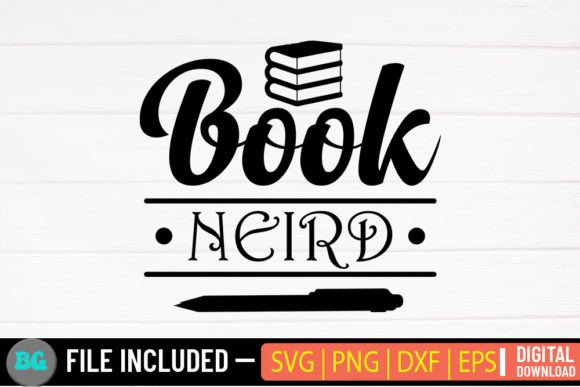
The initial visual impact of the Book Neird- Reading Svg is charming without being overly cluttered. In the world of Graphics, simplicity often wins, especially for embroidery where too much detail can turn into a thread mess. The layout suggests a cozy, intellectual mood, perfect for the current trend of "dark academia" or cottage-core aesthetics that are dominating boutique shops right now. The lines appear clean in the vector preview, which is a good sign for the eventual running stitch or satin stitch execution. However, a pretty picture on a monitor does not guarantee a pretty finished product. The true test lies in how those shapes convert to actual thread paths.
For an Etsy seller or a small shop product creator, the aesthetic appeal is only half the battle. You need a design that screams quality before the customer even touches the item. This design has the potential to elevate a basic garment into a statement piece, provided the digitizing matches the visual promise of the SVG source file.
Real-World Application Scenarios
To truly evaluate this asset, I imagined a specific project: a custom order for a local book club looking for matching tote bag design items. They wanted something subtle yet recognizable. The Book Neird- Reading Svg fits this brief perfectly. When placed on a canvas tote, the graphic offers enough surface area to allow for proper stitch coverage without overwhelming the bag's structure.
Beyond totes, I can see this working exceptionally well as sweatshirt embroidery. The cozy theme aligns naturally with fleece or French terry fabrics. Imagine this stitched on the left chest of a oversized crewneck; it creates an instant connection with the wearer's identity. It also has strong potential as a personalized gift for teachers or librarians. If you are running a craft business focused on holiday gifts, this could be a staple for your November and December inventory. The versatility extends to baby embroidery as well, perhaps scaled down for a onesie bib, celebrating early literacy in a cute, approachable way.
For those selling design assets or creating printable mockup portfolios, this file offers a solid foundation. Because it comes in multiple formats including EPS and DXF alongside the SVG, it integrates smoothly into various design workflows, allowing you to create compelling previews for your online listings before you even stitch a single thread.
Technical Considerations for Stitching
Here is where we need to get practical. Just because you receive a zip file with SVG, PNG, EPS, and DXF formats does not mean the file is automatically optimized for every machine. These are primarily cut files or vector graphics. If you are using these directly for a machine embroidery design without proper digitizing software, you might run into issues. Most home embroidery machines require specific stitch files (like PES, DST, or XXX), not just vector outlines.
If you are digitizing this yourself from the provided SVG, pay close attention to the stitch density. Areas that look solid in the vector file might need careful planning to avoid bird-nesting. For instance, if the design includes filled areas representing book pages or covers, ensure you are using an appropriate fill stitch angle that complements the shape. Avoid making the density too high, especially if you plan to use this on stretchy fabrics like jersey knits, as this can cause puckering.
Stabilizer choice is critical here. For a project like a tote bag, a cut-away stabilizer is non-negotiable to support the weight of the stitching over time. If you are attempting this on a cap or a curved surface, the geometry of the design matters immensely. Ensure the center of gravity in the artwork aligns with the center of your hoop to prevent distortion during the stitching process.
Fabric and Hoop Challenges
There are specific scenarios where you should proceed with caution. If you are working with textured fabrics like waffle knit or heavy linen, fine details in the Book Neird- Reading Svg might get lost. The fabric texture can interfere with the clarity of small text or thin lines. Similarly, be wary of using this on very dark fabrics if the original design relies on light thread colors without a planned underlay. Always test your thread colors against the background fabric first.
Small hoop sizes present another challenge. If the design is intricate, cramming it into a 4x4 hoop might compromise the stitch quality. Check the dimensions of the SVG before committing to a small hoop size. Furthermore, if the design includes tiny lettering, verify that your machine can handle such small details; otherwise, consider simplifying that element or omitting it entirely for smaller applications like an embroidered patch.
Commercial Viability and Brand Trust
For the commercial embroidery professional, consistency is key. Using a well-structured file like this helps maintain brand consistency across different products. Whether it is an apron for a bookstore cafe or a pillow cover for a nursery decor line, the professionalism of the stitch job reflects directly on your brand. A sloppy execution of a great design erodes customer trust faster than anything else.
When listing this as part of your handmade product lineup, the perceived value increases if the stitching is crisp and the edges are clean. Customers are willing to pay a premium for custom apparel that looks like it was made by a master, not mass-produced. This design has the "giftability" factor—it looks thoughtful and curated. However, always confirm the licensing terms included with your download. While the file formats suggest broad compatibility ("ready to use with all other majo[r]..."), you must verify if the license permits unlimited sales of finished physical goods or if there are restrictions on digital redistribution.
Final Verdict and Designer Notes
The Book Neird- Reading Svg is a promising addition to any creative entrepreneur's library, particularly for those targeting the literary niche. Its strength lies in its thematic relevance and adaptable layout. However, success depends entirely on the preparation. Do not skip the step of testing the design on scrap fabric that matches your final material. Check the contrast of your thread choices, and if possible, view your digitized version in black and white to ensure the shapes hold up without color reliance.
Remember, the files provided (SVG, PNG, EPS, DXF) are excellent for cutting machines and graphic design, but for embroidery, they often serve as the source for digitizing rather than the final stitch file itself, unless specifically stated otherwise by the creator. Take the time to inspect small details, adjust pull compensation if needed, and ensure your stabilizer strategy matches the fabric weight. With the right technical approach, this design can become a best-seller in your shop, delighting book lovers and adding a touch of literary flair to your embroidery project portfolio.