Boo Svg Review: A Spooky Staple for Holiday Embroidery
As a designer who spends more time staring at stitch maps than most people care to admit, I approach every new digital embroidery file with a mix of excitement and skepticism. We all know the feeling: a graphic looks adorable on the screen, but once it hits the hoop, the details get lost, or the density turns a soft sweater into a cardboard shield. That is why I took a close look at the Boo Svg package before committing it to any client projects or holiday inventory. This isn't just about whether the image is cute; it is about whether it translates effectively into thread and holds up under the needle.
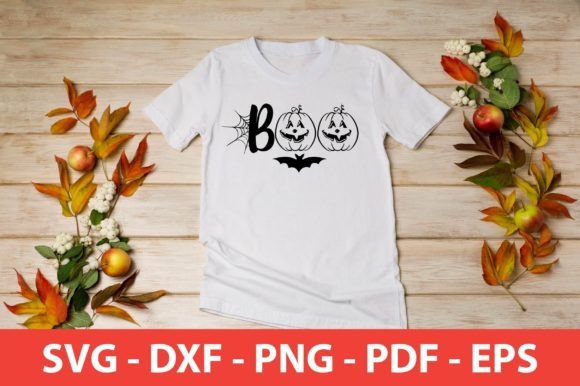
The first impression of the Boo Svg design is its versatility in mood. It strikes that perfect balance between playful and seasonal without leaning too hard into "childish" territory, which makes it a strong candidate for a wide range of demographics. The layout feels clean, with shapes that suggest a natural flow for satin stitches and fill areas. When I visualized this as a machine embroidery design, my mind immediately went to texture. The curves appear smooth enough to avoid excessive jump stitches, which is crucial for maintaining a professional finish on a finished product.
Real-World Application: The Halloween Tote Scenario
To truly test the viability of this asset, I imagined a specific real-life scenario that many of us face every October: preparing a run of custom tote bags for a local boutique's Halloween promotion. The goal was to create a handmade product that felt premium yet festive. Using the Boo Svg as the central motif, I considered how it would sit on a canvas tote. Canvas has a distinct weave, and a design with too many tiny, isolated elements can get swallowed by the fabric texture.
Fortunately, the structure of the Boo Svg seems robust enough to handle medium-weight fabrics. If I were digitizing this myself or checking the pre-made embroidery file formats included (SVG, PNG, EPS, DXF, PDF), I would ensure the transition points between color blocks are sharp. For a tote bag, I would likely opt for a bold thread colors palette—perhaps a stark white or electric orange against a black bag—to maximize contrast. The design's simplicity allows it to shine as a tote bag design without requiring thousands of stitches that might distort the bag's shape over time.
Beyond totes, this graphic screams potential for sweatshirt embroidery. Imagine a oversized, heather-grey hoodie with the design placed slightly off-center on the chest. The Boo Svg offers a modern, minimalist aesthetic that fits current streetwear trends. For custom apparel like this, the key is ensuring the design doesn't feel too small. Since the package includes vector formats like SVG and EPS, resizing is lossless, allowing me to scale it up for a back print or down for a sleeve detail without pixelation issues common in raster-only files.
Navigating Fabric Challenges and Stitch Density
However, no design is universal, and practical judgment requires knowing where to exercise caution. If you plan to use Boo Svg on stretchy fabrics like jersey knits for baby embroidery projects, you must pay close attention to stabilization. Even a well-balanced design can cause puckering if the stitch density is too high for the fabric weight. While the provided files give us the shapes, the actual stitch count and density depend on your digitizing software or the specific machine settings you apply.
I would advise testing the design on scrap fabric first, especially if you are working with textured materials like waffle knit or dark fabrics where thread shine matters. On a dark navy cap, for instance, the underlay becomes critical. If the design relies on fine lines, a curved surface like a cap could distort the geometry. In such cases, simplifying the design or increasing the satin stitch width might be necessary to maintain clarity. Always confirm the hoop size compatibility with your machine; while the design is scalable, you need to ensure your smallest hoop can capture the intricate parts if you decide to minimize the footprint.
Another consideration is the longevity of the embroidered patch or direct stitch. Products that undergo frequent washing, like kitchen towels or aprons, demand durable stitching. If the Boo Svg includes very thin running stitches or tiny text elements (if any are integrated into your specific variation of the design), these areas are prone to wear. For items intended as heirlooms or high-use goods, I recommend reinforcing dense areas and avoiding overly delicate details that might snag.
Commercial Value and Brand Consistency
For the Etsy seller or craft business owner, the visual appeal of a design directly impacts buyer engagement. The Boo Svg brings a level of professionalism that elevates a simple item into a giftable commodity. Whether you are creating holiday embroidery for pillows or printable mockups for digital listings, consistency is key. The clean lines of this graphic allow for easy integration into existing brand aesthetics. It does not clash with other patterns, making it an excellent choice for layered designs or as part of a larger collection of design assets.
Customer trust is built on quality. A sloppy stitch job on a popular design can hurt your reputation, but a crisp execution of a recognizable motif like "Boo" builds anticipation and satisfaction. When customers see a well-executed personalized gift, they associate that quality with your shop. This design supports that goal by offering a clear, recognizable silhouette that reads well even from a distance, which is vital for small shop product photography and craft fair displays.
Final Designer Notes and Best Practices
Before launching into production with Boo Svg, here are a few practical steps I always take. First, review the file formats provided. You have access to SVG, PNG, EPS, DXF, and PDF. If you are using a cutter for heat transfer vinyl (HTV) to apply onto a mug or phone cover, the SVG and DXF are your best friends. For direct embroidery, you may need to digitize the vector paths into a machine-specific format unless you already have a converted applique design version.
- Test on Scraps: Never skip the test stitch-out. Check how the thread interacts with your specific fabric texture.
- Check Contrast: View your mockup in black and white to ensure the design holds its shape without relying solely on color.
- Stabilizer Selection: Match your stabilizer to the fabric. Cut-away for knits, tear-away for wovens, and water-soluble for towels.
- Licensing Verification: Always double-check the license terms regarding commercial use. While this design is marketed for crafts and graphics, confirm if there are limits on the number of physical items sold versus digital redistribution.
- Density Check: If digitizing yourself, keep an eye on stitch density to prevent fabric stiffness, especially on garments meant for comfort.
In conclusion, the Boo Svg is a solid addition to any autumnal library. It bridges the gap between digital convenience and tactile craftsmanship. Whether you are decorating a nursery, stocking a boutique, or making gifts for family, this design offers the structural integrity needed for successful embroidery. Just remember that the file is only half the equation; your choice of thread, fabric, and technique will ultimately define the success of the embroidery project. With careful preparation and a keen eye for detail, this graphic can become a standout star in your seasonal collection.